A Prefab ADU and a Custom ADU are two different ways to build an Accessory Dwelling Unit on your property. Both options can increase property value, create rental income, or provide space for family members. The main differences involve construction method, cost structure, design flexibility, and build timeline.
Understanding these differences helps homeowners choose the right type of secondary housing unit for their needs and budget.
What Is a Prefab ADU?
A Prefab ADU, also called a Prefabricated Accessory Dwelling Unit, is built in a factory-controlled environment before being transported to your property. The structure may arrive as a full unit or in several modular sections. Once delivered, it is placed on a prepared foundation system and connected to utilities.
Because construction happens indoors, weather delays are reduced. Factory production also allows for more consistent quality control. Many prefab builders offer fixed floor plans with limited customization options.
Common names for a Prefab ADU include:
- Modular ADU
- Factory-built housing unit
- Panelized ADU
- Kit home ADU
Prefab units are often chosen for their faster completion time and more predictable pricing.
What Is a Custom ADU?
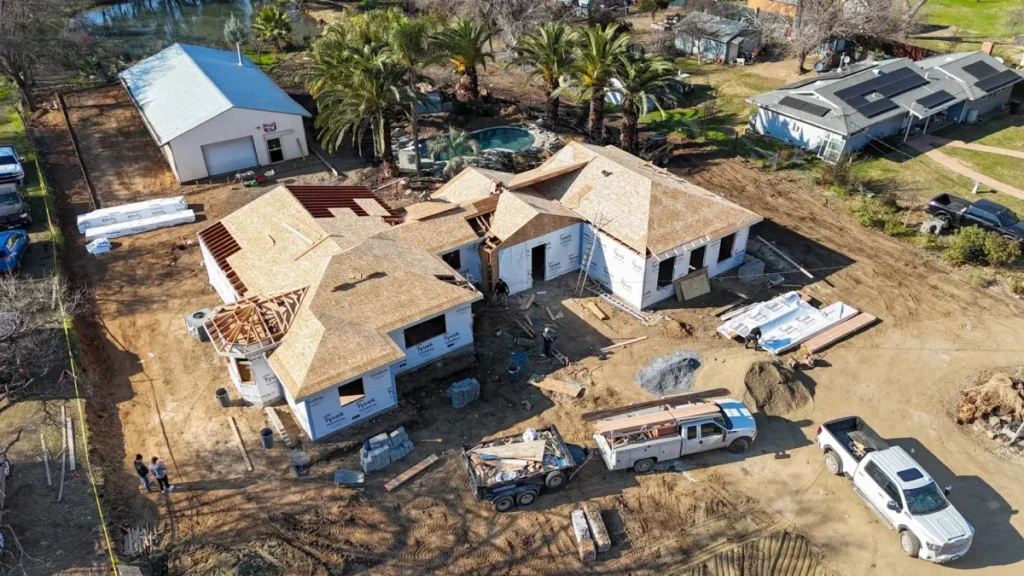
A Custom ADU, also known as a Site-Built ADU, is constructed entirely on your property. The process begins with architectural design planning, followed by permit approvals, and then full on-site construction.
This type of build allows complete control over the floor layout, materials selection, and overall architectural style. A custom design can match the main home or reflect a unique layout based on the property’s shape and size.
However, because everything is built on location, construction is more exposed to weather conditions, labor scheduling, and inspection delays. Costs can also vary depending on material choices and local labor rates.
Homeowners often choose a Custom ADU when they want full personalization and long-term design flexibility.
What are the Key Differences Between a Prefab ADU and a Custom ADU
The main differences between a Prefab ADU and a Custom ADU include construction location, cost control, design flexibility, and project management structure.
| Comparison Factor | Prefab ADU | Custom ADU |
| Construction Location | Built off-site in a factory-controlled environment | Built entirely on-site at the property |
| Design Flexibility | Pre-designed layouts with limited customization | Fully personalized design and layout options |
| Build Timeline | Typically faster due to simultaneous site prep and factory construction | Longer due to phased on-site construction and inspections |
| Cost Predictability | Fixed pricing packages with clearer upfront costs | Variable pricing depending on materials, labor, and design changes |
| Project Management Complexity | Usually managed by a single manufacturer or provider | Requires coordination between an architect, general contractor, and subcontractors |
Each option fits different homeowner goals and property conditions.
Cost Comparison: Prefab ADU vs Custom ADU
Cost is one of the biggest deciding factors when choosing between a Prefab ADU and a Custom ADU.
A Prefab ADU often has a lower cost per square foot because materials are purchased in bulk and labor is streamlined in a factory setting. The pricing structure is usually clearer at the beginning of the project.
A Custom ADU may cost more due to architectural design fees, engineering services, and extended on-site labor. Custom finishes and upgrades can increase the final price.
However, total cost depends on several shared factors:
- Site preparation
- Foundation requirements
- Utility connections
- Permit fees
- Local zoning regulations
- Land grading conditions
In some areas, high transportation costs for prefab units can narrow the price gap between the two options.
Timeline Comparison
The construction timeline differs significantly between a Prefab ADU and a Custom ADU.
| Timeline Factor | Prefab ADU | Custom ADU |
| Construction Process | Built in a factory while site preparation work happens simultaneously | Built entirely on-site in sequential phases |
| Speed of Completion | Typically faster overall completion | Longer overall build time |
| Project Phases Required | Manufacturing, delivery, installation | Architectural design phase, permit approval process, framing and structural work, plumbing and electrical installation, building inspections |
| Weather Impact | Minimal impact due to indoor factory construction | Higher impact due to on-site exposure |
| Inspection Delays | Fewer delays if unit meets pre-approved standards | Inspection scheduling may extend timeline |
For homeowners who need quick housing solutions, the shorter timeline of a Prefab ADU can be a major advantage.
What is Pros and Cons of a Prefab ADU
A Prefab ADU offers speed and simplicity, but it may limit personalization. Understanding the benefits and drawbacks helps homeowners make informed decisions.
Advantages of a Prefab ADU
One major benefit is a faster construction timeline. Because the unit is built inside a factory-controlled environment, bad weather does not slow down the framing or finishing process.
Another advantage is predictable project pricing. Many prefab companies provide fixed packages that include design, manufacturing, and delivery. This makes budgeting easier for homeowners.
Factory production also improves quality consistency. Standardized building processes reduce unexpected construction errors.
Prefab units may also reduce on-site disruption. Since most work happens off-site, there is less noise and shorter active construction time on the property.
Disadvantages of a Prefab ADU
A common drawback is limited design customization. Many manufacturers offer only a set number of floor plan options and finish packages.
Transportation can also be challenging. Large modular sections must be delivered to the property, which may require wide street access and proper site clearance.
Some municipalities have strict zoning regulations that treat factory-built housing differently. This can affect the permit approval process in certain areas.
What is Pros and Cons of a Custom ADU
A Custom ADU provides flexibility but often requires more time and investment.
Advantages of a Custom ADU
The biggest benefit is complete architectural freedom. Homeowners can design layouts that match their primary residence or maximize a unique lot shape.
A custom design may better integrate with the existing home structure, improving overall curb appeal. This can positively impact future property appraisal value.
Custom builds also allow higher-end building materials and unique interior finishes. This may increase long-term durability and tenant appeal.
Disadvantages of a Custom ADU
The main downside is a longer construction schedule. Since all work happens on-site, delays caused by weather, labor shortages, or inspections are more common.
Costs can also rise during the project. Changes in material pricing, additional structural needs, or design revisions may increase the total budget.
Managing a custom build often requires coordination between an architect, a general contractor, and multiple subcontractors. This increases project complexity.
Which Option Adds More Property Value?
Both a Prefab ADU and a Custom ADU can increase property value, but the impact depends on design quality and local housing demand.
A well-designed Custom ADU may appraise higher because it blends seamlessly with the main house. High-quality finishes and thoughtful layout choices can improve buyer perception.
However, a properly installed Prefab ADU still adds valuable livable square footage. In areas with strong rental markets, the ability to generate consistent rental income can significantly boost overall property appeal.
In most cases, the local real estate market conditions matter more than the construction method itself.
Are Prefab ADUs Easier to Permit?
The permit approval process depends heavily on local municipal regulations and zoning laws.
Some cities encourage standardized Prefab ADU models because they meet pre-approved building codes. In these cases, review times may be shorter.
Other municipalities apply the same requirements to both prefab and custom builds. Homeowners must still comply with:
- Setback requirements
- Lot coverage limits
- Height restrictions
- Utility connection standards
- Fire safety codes
Before starting a project, reviewing local Accessory Dwelling Unit regulations is essential.
Return on Investment: Rental Income and Long-Term Gains
One reason homeowners build an Accessory Dwelling Unit is to create steady rental income.
A Prefab ADU may deliver a quicker return because it can be completed faster. Shorter construction time means earlier tenant occupancy.
A Custom ADU may generate higher rental rates if it offers upgraded features, better space planning, or enhanced privacy.
Long-term return depends on several factors:
- Local housing demand
- Neighborhood property appreciation trends
- Total construction cost
- Ongoing maintenance expenses
- Financing structure and interest rates
In high-demand markets, both types of ADUs can produce strong cash flow and increase overall property equity.
Who Should Choose a Prefab ADU?
A Prefab ADU is ideal for homeowners who want simplicity, speed, and predictable budgeting.
This option works well for:
- Homeowners with a fixed construction budget
- Property owners seeking fast rental income generation
- Standard lot layouts with clear access for delivery
- Investors focused on efficient return on investment
If your priority is minimizing delays and reducing project management stress, a Factory-Built ADU may be the better choice.
Work with Local Prefab ADU Experts for Better Results
Choosing a prefab ADU requires proper planning, site preparation, and utility coordination. Even though factory-built units are faster, installation still depends on local expertise and code compliance. To ensure a smooth process and reliable outcome, work with prefab ADU builders Roseville ca who understand site conditions and permit requirements.
Who Should Choose a Custom ADU?
A Custom ADU is best for homeowners who value flexibility and long-term design integration.
This option works well for:
- Irregular or narrow lot configurations
- Properties with slope or grading challenges
- Homeowners wanting architectural matching with the primary residence
- Long-term owners focused on maximizing property appraisal value
If design control and unique layout planning are important, a Site-Built ADU may provide better long-term satisfaction.
Lot and Site Considerations
Your property layout plays a major role in deciding between a Prefab ADU and a Custom ADU.
A prefab unit requires delivery access for large modular sections. Narrow streets, overhead power lines, or tight backyard entry points may complicate installation.
A custom build may adapt more easily to unusual conditions, such as:
- Sloped terrain
- Limited backyard depth
- Shared driveways
- Historic district restrictions
Reviewing your local zoning code and building setback requirements early in the planning process can prevent delays.
Financing and Budget Planning
Financing options can influence your final decision.
Some lenders view a Prefab ADU as a standardized construction product, which may simplify the construction loan process. Fixed pricing can also make loan approval more straightforward.
A Custom ADU may require detailed architectural plans before financing is finalized. Because total costs can vary, lenders may require larger contingency reserves.
Common financing options include:
- Home equity loans
- Cash-out refinancing
- Construction-to-permanent loans
- Personal savings investment
Careful budget planning helps avoid mid-project financial strain.
Frequently Asked Questions
A Prefab ADU often has lower upfront costs due to factory efficiency and fixed pricing packages. However, total cost depends on site preparation, foundation needs, and local permit fees.
A Custom ADU may take several months from design to final inspection. The timeline depends on permit approvals, contractor scheduling, and local building regulations.
Most prefab companies offer limited customization options, such as finish packages or minor layout adjustments. Major structural changes are usually not available.
Adding an Accessory Dwelling Unit may increase assessed property value, which can raise property taxes. The amount depends on local tax rules and the size of the new structure.