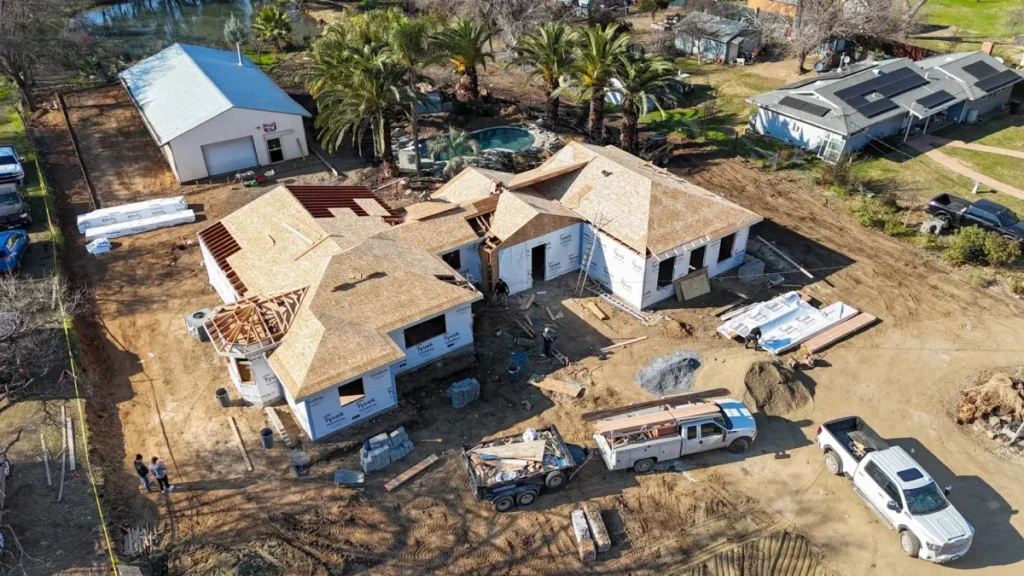
The average commercial construction cost in California ranges from $250 to $700 per square foot, depending on the building type, construction materials, labor rates, and regulatory compliance requirements. Projects such as industrial warehouses often cost less, while medical facilities, office buildings, and hospitality developments require larger commercial development budgets due to complex systems and regulatory standards.
Developers and investors typically evaluate construction cost per square foot, project scope, and regional cost multipliers when planning a commercial development project in California. Factors such as prevailing wage laws, seismic safety requirements, and environmental regulations significantly influence the final project construction budget.
What is The Average Commercial Construction Cost Per Square Foot in California?
The most common method used to estimate commercial construction pricing is calculating the construction cost per square foot. This metric helps developers compare the costs of different commercial building types and evaluate potential real estate development investments.
Several factors affect these price ranges, including building complexity, structural systems, mechanical infrastructure, and interior finishing requirements.
| Commercial Building Type | Average Construction Cost Per Square Foot |
| Industrial Warehouse Construction | $150 – $300 |
| Retail Store Construction | $300 – $500 |
| Office Building Construction | $350 – $650 |
| Medical Office Building Construction | $400 – $750 |
| Hotel Construction Projects | $450 – $900 |
Lower-cost projects such as industrial warehouses typically require minimal interior finishes and simpler structural steel framing systems, while higher-cost projects like hospitality buildings require advanced HVAC systems, interior architectural finishes, and complex electrical infrastructure.
In major urban markets such as Los Angeles, San Francisco, and San Diego, higher labor costs, permit fees, and real estate prices can significantly increase the total commercial building cost per square foot.
Developers often consult construction cost databases, regional construction cost indexes, and professional cost estimators to determine accurate project cost forecasts.
What Factors Affect Commercial Construction Costs in California?
Several major variables influence the total commercial construction project cost in California. Developers must consider regulatory, economic, and structural factors when estimating the total commercial development budget.
Key Factors Influencing Construction Costs
- Construction labor costs and prevailing wage laws
Labor expenses represent one of the largest components of commercial building construction costs. California enforces prevailing wage laws, which require contractors on many projects to pay workers standardized union-level wage rates. These regulations significantly increase the overall construction labor cost compared to other states.
- Building materials and supply chain pricing
The cost of construction materials such as structural steel, reinforced concrete, lumber, and glass curtain wall systems directly impacts the total project construction budget. Market fluctuations in commodity prices, transportation costs, and supply chain disruptions can rapidly change the final material procurement cost.
- California building codes and seismic design requirements
Strict California building codes require advanced seismic engineering standards to ensure buildings can withstand earthquakes. These requirements often involve additional structural reinforcement, foundation engineering, and building envelope upgrades, which increase the total construction project cost.
- Energy efficiency regulations and sustainability standards
California enforces strict energy efficiency regulations, particularly Title 24 energy standards, which require buildings to meet advanced energy performance benchmarks. Compliance often includes installing high-performance insulation systems, energy-efficient HVAC systems, and advanced building automation technologies.
- Project size, building complexity, and architectural design
The size and complexity of a commercial construction project significantly influence costs. Larger buildings require more structural engineering, mechanical infrastructure, and electrical systems integration. Complex architectural features, such as glass façades, atriums, or multi-story structural frameworks, also increase overall construction costs.
- Permit fees and regulatory approval processes
Obtaining construction permits, environmental approvals, and zoning clearances in California can be expensive and time-consuming. Local authorities often require detailed environmental impact assessments, traffic studies, and site development plans, especially for large commercial real estate developments.
- Location and land preparation costs
Construction costs vary significantly across different regions of California. Urban markets with high real estate prices, such as San Francisco, Los Angeles, and Silicon Valley, often experience higher construction labor costs, permit fees, and site development expenses. Additionally, projects requiring extensive site preparation, soil stabilization, or demolition work will have higher initial construction expenses.
Breakdown of Commercial Construction Costs
The complete commercial construction cost structure requires analyzing several cost categories that contribute to the final commercial development budget. Most commercial building projects include a combination of hard construction costs, soft construction costs, land acquisition expenses, and contingency budgets.
Developers and construction project managers evaluate these cost components during the pre-construction planning phase to ensure that the project remains within the expected capital investment budget.
| Construction Cost Category | Typical Percentage of Total Project Cost |
| Hard Construction Costs | 70–80% |
| Soft Construction Costs | 8–15% |
| Land Acquisition Costs | 10–20% |
| Construction Contingency Budget | 5–10% |
The largest portion of any commercial building development cost comes from hard construction costs, which include materials, labor, and physical construction activities. Meanwhile, soft costs represent the professional and regulatory expenses required to design, plan, and legally approve the project.
Hard Construction Costs in Commercial Building Projects
Hard construction costs refer to the direct expenses required to physically build a commercial structure. These costs typically include construction labor, building materials, structural components, and the installation of essential mechanical systems.
Structural Construction Costs
The foundation and structural framework form the backbone of any commercial building project. These elements ensure the structural integrity, seismic stability, and long-term durability of the building.
Key structural components include:
- Concrete foundation systems
- Structural steel framing
- Load-bearing structural walls
- Seismic reinforcement systems
- Structural engineering design
Mechanical Systems Installation
Modern commercial buildings require complex mechanical infrastructure to support daily operations and maintain occupant comfort.
Important mechanical building systems include:
- Heating, ventilation, and air conditioning systems (HVAC)
- Commercial plumbing infrastructure
- Electrical distribution systems
- Fire protection and sprinkler systems
- Elevator and vertical transportation systems
Interior and Exterior Finishing Costs
Common interior finishing components include:
- Commercial flooring systems
- Interior partition walls
- Suspended ceiling systems
- Lighting fixtures
- Interior architectural finishes
Exterior finishing elements include:
- Roofing systems
- Glass curtain wall façades
- Exterior insulation systems
- Building envelope waterproofing
- Exterior cladding materials
Soft Construction Costs in Commercial Development
While hard construction costs cover the physical construction of a building, soft construction costs include the professional services, regulatory approvals, and administrative processes required to plan and execute a commercial construction project.
Architectural Design and Engineering Services
Professional teams develop the building design, prepare construction drawings, and ensure compliance with local building regulations.
Important professional services include:
- Architectural design services
- Structural engineering consulting
- Mechanical engineering design
- Electrical engineering planning
- Construction documentation preparation
Regulatory Compliance and Permit Costs
Common regulatory expenses include:
- Building permit fees
- Environmental impact assessments
- Zoning approval applications
- Planning department review fees
- Development impact fees
Construction Financing and Insurance
Important financial components include:
- Construction loan interest payments
- Project financing fees
- Builder’s risk insurance
- liability insurance policies
- legal documentation fees
Commercial Construction Cost by Project Type in California
| Commercial Building Type | Typical Construction Cost per Square Foot | Primary Cost Drivers |
| Industrial Warehouse Construction | $150 – $300 | Structural steel systems, large-span structures, minimal interior finishes |
| Retail Commercial Buildings | $300 – $500 | Storefront glazing systems, interior build-outs, mechanical infrastructure |
| Office Building Developments | $350 – $650 | HVAC systems, elevator systems, high-end interior finishes |
| Medical Office Buildings | $400 – $750 | Specialized medical infrastructure, advanced electrical systems |
| Hospitality and Hotel Construction | $450 – $900 | Luxury interior design, complex plumbing systems, hospitality amenities |
California Regulations That Impact Commercial Construction Costs
| Regulation or Standard | Impact on Commercial Construction Projects |
| California Building Codes | Require strict safety standards for structural integrity and building performance |
| Seismic Design Requirements | Increase structural engineering costs to ensure earthquake resistance |
| Title 24 Energy Efficiency Standards | Require energy-efficient building systems and sustainable design features |
| California Environmental Quality Act (CEQA) | Mandates environmental impact assessments and public review processes |
| Local Zoning Regulations | Control land use, building height, and development density |
| Development Impact Fees | Require developers to contribute to local infrastructure improvements |
Frequently Asked Questions
The average commercial construction cost per square foot in California typically ranges between $250 and $700, depending on the building type, construction materials, project size, and local labor costs.
Construction costs are higher due to strict California building codes, seismic safety requirements, prevailing wage labor laws, and extensive environmental regulations such as the California Environmental Quality Act.
The timeline for a commercial building construction project usually ranges from 10 months to 3 years, depending on project size, design complexity, permitting timelines, and construction scheduling efficiency.
Developers estimate costs using construction cost per square foot analysis, quantity takeoff methods, construction cost databases, and professional cost estimation software.
The largest expense is usually construction labor and building materials, which together form the majority of the hard construction costs in most commercial development projects.