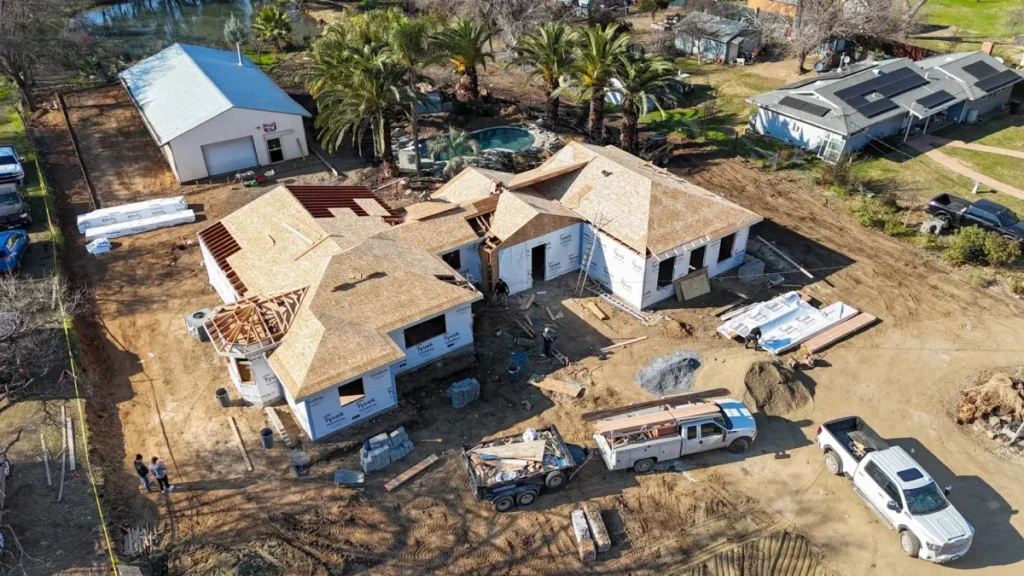
An Accessory Dwelling Unit (ADU) is a secondary housing unit built on the same lot as a Primary Residence. Homeowners build ADUs to create rental income, add living space, or increase property value. The two main types are the Attached ADU and the Detached ADU. Each option has different costs, benefits, and zoning rules.
Choosing the right type depends on your budget, lot size, privacy needs, and long-term goals. Some owners focus on lower construction costs. Others want stronger rental income or higher resale value. Understanding the difference helps you make a smart decision.
What Is an Attached ADU?
An Attached ADU shares at least one wall with the Primary Residence. It may be built as a home addition, basement conversion, or garage conversion. This type of unit connects directly to the main house structure.
Because it shares structural elements, an Attached ADU usually costs less to build. The shared wall reduces framing and exterior finishing expenses. Utility connections are often easier because water, sewer, and electrical lines already serve the main house.
An attached unit works well for Multi-Generational Housing. Families can stay close while still having separate living areas. However, privacy may be limited due to shared walls and sound transfer.
What Is a Detached ADU?
A Detached ADU is a separate building located on the same lot as the Primary Residence. It does not share walls or structural systems with the main home. Many homeowners build it in the backyard.
Because it stands alone, a Detached ADU offers more privacy. Tenants and family members have independent access and reduced noise from the main house. This makes it attractive in competitive rental markets.
However, a detached structure requires a new foundation, roofing system, and independent utility trenching. These factors increase total construction cost. In many cities, Setback Requirements and Lot Coverage Limits also affect where you can build it.
What are The Key Differences Between Attached and Detached ADUs
The main difference is structural connection. An Attached ADU integrates into the existing home. A Detached ADU functions as a small independent house.
Below is a side-by-side comparison of an Attached ADU and a Detached ADU for quick evaluation and featured snippet optimization.
| Comparison Factor | Attached ADU | Detached ADU |
| Structural Design | Shares at least one wall with the Primary Residence | Separate standalone structure on the same lot |
| Construction Cost | Lower upfront Construction Cost due to shared walls and roofing | Higher cost due to new foundation and full exterior build |
| Materials & Labor | Fewer materials required; integrated framing | More materials and labor for independent structure |
| Privacy Level | Moderate privacy; may share walls or outdoor areas | High privacy with full structural separation |
| Outdoor Space Impact | Uses existing home footprint or attached expansion | May reduce backyard space depending on lot size |
| Zoning Considerations | Often easier under certain Zoning Regulations | May face restrictions based on Lot Size Requirements and setbacks |
| Rental Appeal | Suitable for family or long-term tenants | Stronger Rental Income Potential due to independence |
| Resale Perception | Adds functional living space | Often perceived as a separate small home |
Pros and Cons of an Attached ADU
An Attached ADU shares at least one wall with the Primary Residence. It is often more affordable and easier to integrate into an existing structure. However, it may offer less privacy than a separate unit.
Pros of an Attached ADU
- Lower Construction Cost due to shared walls and roofing
- Easier Utility Connections with existing plumbing and electrical lines
- Faster approval in some areas with supportive Zoning Regulations
- Ideal for Multi-Generational Housing and aging-in-place design
- Increased Livable Square Footage without expanding lot coverage
Cons of an Attached ADU
- Reduced Privacy Level because of shared walls
- Possible noise transfer between units
- Limited design flexibility due to structural integration
- May generate slightly lower Rental Income Potential compared to a detached unit
Choose the Right ADU Builder for Your Project
Choosing between an attached and detached ADU is only the first step. The final result depends on proper design, planning, and construction quality. To ensure a smooth process and reliable outcome, work with the best attached ADU construction service that understands local codes and delivers efficient building solutions.
Pros and Cons of a Detached ADU
A Detached ADU is a separate structure built on the same lot as the Primary Residence. It offers more independence but typically costs more to construct.
Pros of a Detached ADU
- Higher Privacy Level with full structural separation
- Stronger Rental Income Potential in competitive housing markets
- Greater design flexibility and independent layout options
- Often higher perceived impact on Property Value
- Separate entrance supports long-term or short-term rental use
Cons of a Detached ADU
- Higher overall Construction Cost due to new foundation and exterior build
- Possible Utility Trenching Costs for water and sewer connections
- Longer permitting timeline under certain Lot Size Requirements
- May increase Property Taxes more than an attached unit
Utility Connections and Infrastructure
Utility setup affects both budget and design. An Attached ADU often connects to existing water, sewer, and electrical systems. This simplifies installation.
A Detached ADU may require separate trenching for water and sewer lines. Electrical upgrades may also be needed to handle increased load. In some areas, separate utility meters are optional. In others, they are required by local code.
Proper planning helps avoid unexpected costs. Consult with a licensed contractor and review local Building Codes before finalizing your design.
Privacy and Lifestyle Considerations
Privacy plays a key role in choosing between the two types. A Detached ADU provides strong separation between occupants. It often includes an Independent Entrance Design, separate outdoor space, and fewer shared walls.
An Attached ADU keeps family members close. This setup works well for aging parents or adult children. It supports daily interaction while maintaining some independence.
Lifestyle goals matter. If your focus is quiet rental use, a detached structure may be better. If your goal is family support, an attached option may be ideal.
Rental Income Potential
Many homeowners build an Accessory Dwelling Unit to earn rental income. A Detached ADU often commands higher rent because tenants value privacy. In areas with strong Rental Demand Trends, detached units perform well.
An Attached ADU can still produce steady income. Lower construction costs may improve your return on investment over time. The best option depends on your local housing market and financing strategy.
Understanding Cash Flow Projections and long-term Home Equity Growth helps you evaluate the financial impact of each option.
Which ADU Adds More Property Value?
Both an Attached ADU and a Detached ADU can increase Property Value, but the impact differs. A Detached ADU often adds more resale appeal because buyers see it as a separate living unit. This makes it attractive for rental income or guest housing.
An Attached ADU still increases value, especially in cities with high housing demand. It expands total livable square footage and supports flexible living arrangements. In competitive markets, even a smaller attached unit can improve appraisal results. The true value increase depends on local Real Estate Market Conditions, neighborhood density, and buyer demand. Always review recent comparable sales before estimating return.
Return on Investment and Long-Term Equity
Return on investment depends on both construction cost and rental income. A Detached ADU may cost more upfront but often produces higher monthly rent. Over time, this can strengthen overall Cash Flow Performance.
An Attached ADU usually requires less capital to build. Lower debt can improve short-term return, especially if financed through a Home Equity Line of Credit. Both options contribute to long-term Home Equity Growth. As property values rise, the additional unit increases total asset value. In areas with housing shortages, ADUs often accelerate appreciation.
Zoning Regulations and Legal Requirements
Local Zoning Regulations control whether you can build an ADU and what type is allowed. Cities set rules for Lot Size Requirements, Setback Requirements, and maximum square footage.
Some municipalities encourage ADU development to address housing supply gaps. Others limit detached structures due to neighborhood density concerns. It is important to check with your local planning department before starting design. You must also review Owner-Occupancy Rules. Some cities require the property owner to live in either the main home or the ADU. These policies can affect rental flexibility.
Building Codes and Safety Standards
All ADUs must meet local Building Codes and safety standards. This includes compliance with Fire Separation Codes, insulation rules, and energy efficiency standards.
A Detached ADU may require additional fire-rated walls if it sits close to property lines. An Attached ADU must meet structural integration standards to ensure safe load transfer between units. Proper permits and inspections protect both safety and resale value. Working with a licensed architect or contractor reduces risk during construction.
Space Planning and Lot Constraints
Lot layout influences your decision. A large backyard supports a Detached ADU with outdoor separation. Smaller lots may favor an Attached ADU due to limited buildable space.
Cities also regulate Backyard Lot Coverage. This rule limits how much of your lot can be covered by buildings. Detached units must fit within these limits. Parking requirements also vary. Some jurisdictions waive parking rules for ADUs near public transit. Others require at least one additional parking space.
Construction Timeline and Project Complexity
The project timeline differs between the two types. An Attached ADU may have a shorter build schedule because it connects to existing infrastructure. Utility integration is often simpler.
A Detached ADU requires full-site preparation, new foundation work, and possible utility trenching. This increases project duration. Permit approval time also varies. In some cities, attached units face fewer site review challenges. Detached structures may require additional planning review depending on local density rules.
Design Flexibility and Architectural Style
Design freedom is another major factor. A Detached ADU allows more creative architectural options. It can feature modern layouts, vaulted ceilings, or customized outdoor access.
An Attached ADU must match the structural and exterior style of the main home. This may limit design flexibility but ensures visual consistency. Both types should align with neighborhood standards and Community Design Guidelines. Proper design increases resale value and tenant appeal.
Impact on Privacy and Family Dynamics
Privacy affects daily living. A Detached ADU provides strong separation between occupants. It works well for long-term tenants or short-term rentals.
An Attached ADU encourages closer family interaction. This benefits aging parents or adult children who need support. Shared proximity improves safety and communication. The best choice depends on your personal goals. Consider noise levels, shared outdoor space, and access points before making a final decision.
Financing Options for ADU Construction
Financing options influence feasibility. Homeowners often use a Home Equity Loan, Cash-Out Refinance, or personal savings to fund construction.
Some states offer grants or low-interest loans to encourage ADU development. Check local housing programs for eligibility requirements. Lenders evaluate projected rental income differently for attached and detached units. Providing detailed Construction Cost Estimates and rental projections improves approval chances.
What is the Cost Difference Between Attached ADU and Detached ADU?
The full cost structure helps you avoid surprises. Below is an average cost comparison for an Attached ADU and a Detached ADU in the United States. Actual costs vary by location, size, materials, and local Zoning Regulations.
| Cost Category | Attached ADU (Average Range) | Detached ADU (Average Range) |
| Total Construction Cost | $100,000 – $200,000 | $150,000 – $350,000 |
| Cost per Square Foot | $150 – $300 | $200 – $400 |
| Foundation Work | Minimal or Shared | $15,000 – $40,000 |
| Framing & Exterior | Lower due to Shared Wall | $25,000 – $60,000 |
| Plumbing & Electrical | $10,000 – $25,000 | $15,000 – $35,000 |
| HVAC Installation | $5,000 – $15,000 | $8,000 – $20,000 |
| Utility Trenching | Often Not Required | $10,000 – $30,000 |
| Architectural Plans | $3,000 – $10,000 | $5,000 – $15,000 |
| Permit Application Fees | $2,000 – $8,000 | $3,000 – $12,000 |
| Impact Fees (if applicable) | $0 – $15,000 | $0 – $25,000 |
An Attached ADU usually costs less because it shares structural components and existing utility systems with the Primary Residence. A Detached ADU requires full independent construction, which increases labor and material expenses.
Always confirm local building requirements and request detailed contractor estimates before finalizing your budget.
Utility and Metering Considerations
Utility design affects both monthly expenses and long-term flexibility. An Attached ADU typically shares water, sewer, and electrical systems with the main home. This simplifies installation and may reduce initial cost.
A Detached ADU may allow or require separate utility meters. Separate metering makes rent billing easier and improves tenant independence. However, installation can increase upfront costs. Local Utility Connection Policies vary. Check municipal requirements before finalizing your construction plan.
Insurance and Property Taxes
Adding an Accessory Dwelling Unit may increase Property Taxes and homeowners insurance premiums. The property’s assessed value often rises after construction.
A Detached ADU may have a slightly higher insurance impact because it is a separate structure. Insurance providers evaluate replacement cost and liability exposure. Speak with your insurance agent and local tax assessor before building. Understanding these changes helps you plan long-term expenses.
Short-Term Rental Potential
In some areas, homeowners use ADUs for short-term rentals. A Detached ADU is often more attractive for this purpose because it offers full separation from the main home.
However, Short-Term Rental Regulations vary by city. Some municipalities limit rental duration or require special permits. Others prohibit short-term use entirely.
Always confirm local rules before planning a rental strategy. Violating regulations can lead to fines or permit revocation.
Environmental and Energy Efficiency Factors
Energy performance affects long-term savings. A new Detached ADU can incorporate modern insulation, energy-efficient windows, and solar-ready roofing.
An Attached ADU may benefit from shared heating and cooling systems. This can lower energy use per square foot. Many states enforce Energy Efficiency Standards for new construction. Upgrading to efficient systems may qualify you for rebates or tax incentives.
Decision Checklist: Which ADU Is Best?
Choosing between an Attached ADU and a Detached ADU depends on clear priorities.
Choose an Attached ADU if:
- You want lower upfront construction cost.
- Your lot size limits separate structures.
- You plan for Multi-Generational Housing.
- Faster project timelines matter to you.
Choose a Detached ADU if:
- Privacy is a top concern.
- You want stronger Rental Income Potential.
- Your property has sufficient backyard space.
- Long-term resale appeal is a priority.
Align your choice with financial goals, zoning limits, and lifestyle needs.
Frequently Asked Questions
Yes. An Attached ADU usually costs less because it shares structural elements and utilities with the Primary Residence. This reduces material and labor expenses compared to building a fully separate unit.
In many markets, a Detached ADU adds stronger resale appeal. Buyers often see it as an independent living space, which increases overall Market Demand and property attractiveness.
Yes. Both require approval under local Zoning Regulations and Building Codes. Permit requirements vary by city, so always confirm local rules before construction.
A Detached ADU often performs better in competitive rental markets because tenants value privacy and independence. However, an Attached ADU can still produce steady income with lower initial investment.