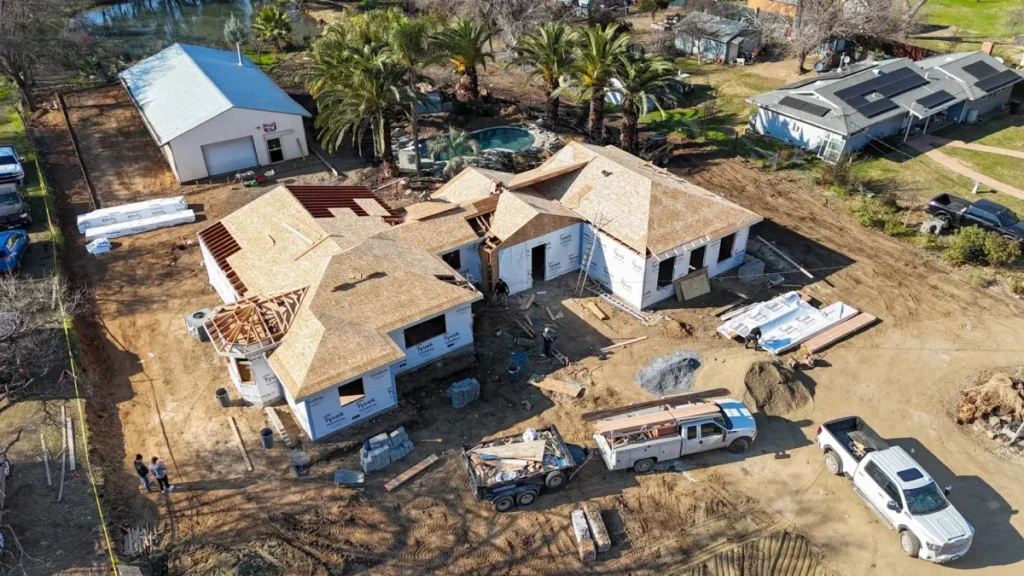
The cost to build an Attached Accessory Dwelling Unit (ADU) in California typically ranges between $150,000 and $400,000, depending on the size of the unit, the construction complexity, and the local permitting requirements. Many homeowners in California’s housing market consider attached ADUs an effective way to increase residential living space while generating rental income or accommodating multigenerational living arrangements.
On average, the construction cost per square foot for an attached ADU falls between $250 and $450, although this range can vary based on regional labor rates, building materials, and design specifications. The final price of an ADU construction project usually includes architectural design services, building permits, construction labor, materials, and utility connections.
What is The Average Cost to Build an Attached ADU in California
The average cost of building an attached ADU in California depends largely on the unit size, the design complexity, and the local construction market conditions. Smaller units generally require fewer materials and less labor, while larger units with additional bedrooms, kitchens, and bathrooms increase the overall construction cost.
Most California homeowners building an attached accessory dwelling unit can expect the following typical cost ranges.
Typical Attached ADU Cost by Size
- Small attached ADU (400–600 square feet)
Typical construction cost ranges from $150,000 to $220,000, depending on architectural design complexity, interior finishes, and permit requirements. - Medium attached ADU (600–800 square feet)
Construction costs usually fall between $200,000 and $320,000, as these units often include full kitchens, separate living areas, and additional plumbing infrastructure. - Large attached ADU (800–1,000 square feet)
Larger units may cost between $300,000 and $400,000 or more, especially when they involve structural modifications to the existing home, higher-end materials, or energy-efficient building systems.
Another key benchmark used by contractors and ADU builders in California is the average cost per square foot, which typically ranges from $250 to $450 per square foot for attached residential construction. This metric helps homeowners estimate project costs before beginning the architectural design and permitting process.
Attached ADU Cost Breakdown
Building an attached accessory dwelling unit involves multiple cost categories that collectively determine the total construction budget. These costs are typically divided into soft costs, which include planning and design services, and hard construction costs, which cover labor and materials.
Below is a typical breakdown of the major expenses associated with attached ADU development in California.
| Cost Component | Typical Cost Range |
| Architectural design services | $8,000 – $20,000 |
| Building permits and city fees | $5,000 – $25,000 |
| Site preparation and foundation work | $5,000 – $30,000 |
| Construction labor costs | $80,000 – $200,000 |
| Building materials and finishes | $50,000 – $150,000 |
| Utility connections and infrastructure upgrades | $10,000 – $30,000 |
Architectural Design Services
The first major expense in an ADU construction project is hiring architectural design professionals or an ADU design-build company. These professionals create floor plans, structural drawings, and permit-ready documentation required by the local planning department.
In California cities, architectural design costs typically range between $8,000 and $20,000, depending on the complexity of the floor plan layout, structural engineering requirements, and energy efficiency standards under Title 24 building codes.
Building Permits and City Fees
Before construction begins, homeowners must obtain several approvals from their local planning department and building department. These approvals ensure that the attached ADU project complies with local zoning regulations, setback requirements, and state housing laws.
Permit-related expenses may include building permit fees, planning review charges, inspection fees, and impact fees, with total costs often ranging between $5,000 and $25,000 depending on the city jurisdiction.
Construction Labor and Materials
The largest portion of the ADU construction budget goes toward construction labor and building materials. Labor costs include the work performed by general contractors, electricians, plumbers, framers, and roofing specialists, while materials cover lumber, drywall, insulation, windows, and interior finishes.
Because California construction labor rates are higher than many other states, this portion of the ADU project budget often accounts for more than 60 percent of the total cost.
Utility Connections and Infrastructure
Many attached ADU projects require upgrades to existing home infrastructure systems, including electrical panels, plumbing lines, and sewer connections. These upgrades ensure that the new dwelling unit can safely support kitchen appliances, bathroom plumbing, and heating and cooling systems.
Typical costs for utility upgrades and connections range between $10,000 and $30,000, although homes with outdated electrical systems may require larger panel upgrades that increase the total cost.
Cost Per Square Foot for an Attached ADU in California
The cost per square foot for attached ADU construction in California is one of the most commonly used benchmarks when estimating a new housing unit project. Builders and contractors rely on this metric to estimate costs early in the planning phase, especially before final architectural drawings and permit approvals are completed.
In most California residential construction markets, the price per square foot typically falls into three categories.
Basic Construction Cost Range
A basic attached ADU build usually costs between $200 and $275 per square foot. These projects often include simple floor plans, standard interior finishes, and minimal structural modifications to the primary residence.
This cost range is most common for smaller units or budget-conscious ADU designs.
Mid-Range Construction Cost
A mid-range attached ADU construction project typically costs between $275 and $350 per square foot. These units often feature modern kitchens, energy-efficient windows, and upgraded flooring and cabinetry.
Most California homeowners building rental ADUs fall within this cost category because it balances construction quality with investment efficiency.
High-End Construction Cost
High-end attached ADU projects can exceed $350 to $500 per square foot, particularly when homeowners choose custom architectural designs, premium materials, or advanced energy efficiency systems such as solar-ready roofing or high-performance insulation.
Luxury finishes, including stone countertops, custom cabinetry, and designer lighting fixtures, can significantly increase the total cost per square foot.
Factors That Influence Cost Per Square Foot
Several factors influence the final price per square foot for an attached ADU.
Key cost drivers include:
- Local construction labor rates in California cities
- Structural modifications to the existing house
- Architectural design complexity
- Energy efficiency requirements under California building codes
- Interior finishes and building materials
Understanding these variables helps homeowners accurately estimate the total cost of building an attached ADU before beginning the design and permitting process.
Which Factors That Affect Attached ADU Construction Costs
The total cost of building an Attached Accessory Dwelling Unit (ADU) in California depends on several variables related to property conditions, construction complexity, and local regulatory requirements. While average cost estimates provide a useful starting point, the final project budget often changes based on site-specific factors.
Understanding the major cost drivers in ADU construction allows homeowners to estimate realistic budgets and avoid unexpected expenses during the design, permitting, and construction process.
ADU Size and Floor Plan Design
The size of the attached dwelling unit is one of the most significant factors affecting the overall construction cost. Larger units require more building materials, more labor hours, and additional plumbing and electrical infrastructure, which increases the total project budget.
A compact floor plan design with efficient use of space typically reduces the cost per square foot, while larger units with multiple bedrooms, bathrooms, and living areas increase the overall cost.
Structural Modifications to the Primary Residence
Because an attached ADU shares a wall with the primary residence, some projects require structural modifications to the existing home. These modifications may include reinforcing load-bearing walls, extending the roofline, or integrating the new unit into the existing foundation structure.
Structural changes often require structural engineering services, which can increase the total construction budget and extend the permitting timeline.
Local Construction Labor Costs
Construction labor rates in California are generally higher than the national average due to high demand for skilled trades and strict building code compliance requirements. The cost of hiring general contractors, electricians, plumbers, and carpenters significantly affects the overall project price.
Labor costs may also vary between urban housing markets such as Los Angeles, San Diego, and San Francisco, where the demand for residential construction services is particularly high.
Utility Infrastructure and System Upgrades
Many attached ADU projects require upgrades to existing home utility systems to support the additional living space. These upgrades may include installing a larger electrical panel, extending water supply lines, or connecting the unit to the municipal sewer system.
Older homes may also require improvements to their plumbing infrastructure or HVAC systems, which can increase the total ADU construction cost.
Building Materials and Interior Finishes
The selection of construction materials and interior finishes also plays a major role in determining the total project budget. Standard materials such as laminate countertops, vinyl flooring, and prefabricated cabinets tend to lower costs.
However, premium finishes such as stone countertops, custom cabinetry, and hardwood flooring increase the cost per square foot and raise the total construction investment.
Estimate Your Attached ADU Budget Before Construction
Building an attached ADU involves multiple cost elements, including permits, labor, and materials. Each component can influence your final investment, so early cost planning is important. For a clearer estimate, try our attached ADU construction cost calculator and understand your expected costs before starting the project.
Permit Costs for Attached ADUs in California
Before construction can begin, homeowners must obtain approval from their local planning department and building department. These approvals ensure that the proposed attached accessory dwelling unit complies with local zoning laws, California building codes, and state housing regulations.
Permit costs vary by city but generally range from $5,000 to $25,000, depending on the project size, municipal fee structure, and inspection requirements.
Types of ADU Permit Fees
Several different permits are typically required during the ADU development process. Each permit covers a different aspect of construction compliance and safety inspection.
Common permit-related costs include:
- Building permit application fees
- Planning department review fees
- Site plan approval fees
- Utility connection permits
- Construction inspection fees
These fees support the work performed by municipal building inspectors and planning officials, who review architectural drawings and monitor the construction process.
Impact Fees and Local Development Charges
Some cities charge additional development impact fees, which help fund local infrastructure such as schools, transportation systems, and public utilities. However, under California ADU legislation, many of these fees are waived for accessory dwelling units smaller than 750 square feet.
This exemption has made it more affordable for homeowners to build small attached ADUs, particularly in areas facing housing shortages.
Permit Approval Timeline
The ADU permitting timeline varies depending on the local municipality, but most cities in California process applications within one to three months once the required architectural plans and engineering documents are submitted.
Cities that actively promote accessory dwelling unit development often have streamlined approval processes designed to increase housing supply and residential density.
How Long Does It Take to Build an Attached ADU?
The timeline for building an attached accessory dwelling unit in California typically ranges between six and twelve months, depending on the design complexity, permit approval process, and construction schedule.
Although the physical construction phase may take only a few months, the complete ADU development process includes several stages that must be completed before the unit becomes legally habitable.
Design and Planning Phase
The first step in an ADU development project is the architectural design and planning phase. During this stage, homeowners work with architects, ADU design firms, or design-build contractors to develop floor plans, prepare engineering drawings, and ensure the design complies with local zoning regulations.
This stage usually takes between two and four months, depending on how quickly the design revisions and engineering approvals are completed.
Permit Approval Phase
After the design is finalized, the construction documents must be submitted to the local planning department for review. Municipal officials evaluate the proposed accessory dwelling unit to confirm compliance with building codes, setback requirements, and safety standards.
The permit review process typically takes one to three months, although timelines may vary depending on the city’s development review workload.
Construction Phase
Once the building permits are approved, the construction phase begins. This stage involves site preparation, framing, plumbing installation, electrical wiring, insulation, and interior finishing work.
For most attached ADU construction projects, this stage takes approximately four to eight months, depending on the project size and the availability of construction crews and building materials.
California ADU Laws That Affect Construction Costs
Over the past decade, California state legislation has significantly expanded the ability of homeowners to build accessory dwelling units. These laws were created to address the growing statewide housing shortage and increase the supply of small residential units.
Several key California housing laws directly influence the cost and feasibility of building an attached ADU.
Senate Bill 13 ADU Legislation
The passage of Senate Bill 13 (SB 13) made it easier for homeowners to develop accessory dwelling units by reducing certain local government restrictions. This law limited the ability of cities to impose excessive development impact fees and simplified the permit approval process.
Under this legislation, impact fees cannot be charged for ADUs smaller than 750 square feet, which reduces the overall development cost for smaller units.
Senate Bill 9 Housing Reform
Senate Bill 9 (SB 9) is another major piece of California housing legislation designed to encourage residential density in areas traditionally zoned for single-family homes. Although the law primarily focuses on lot splits and additional housing units, it complements ADU development policies that support increased housing supply.
These legislative changes have made it easier for homeowners to add secondary residential units to their properties.
Reduced Parking Requirements for ADUs
In many areas of California, state law now prevents cities from requiring additional off-street parking spaces for certain accessory dwelling unit projects. Removing these requirements can significantly reduce the construction cost of building an attached ADU, especially in urban neighborhoods with limited lot space.
By eliminating expensive driveway expansions or parking pad construction, homeowners can reduce the total ADU development cost.
Final Thoughts on the Cost of Building an Attached ADU in California
Building an Attached Accessory Dwelling Unit in California typically costs between $150,000 and $400,000, with the final price determined by factors such as unit size, construction materials, local permit fees, and the need for utility upgrades or structural modifications.
Despite the upfront investment, many homeowners view attached ADU development as a long-term strategy for increasing property value, generating rental income, and creating flexible multigenerational housing options.
As California housing demand continues to grow, accessory dwelling units remain one of the most practical solutions for expanding residential housing capacity while helping homeowners make better use of their existing properties.
Frequently Asked Questions
The cost of building a 500 square foot attached accessory dwelling unit in California typically ranges between $125,000 and $225,000. The final price depends on factors such as construction labor rates, permit fees, architectural design complexity, and the quality of interior finishes.
Smaller units with simple floor plans and standard materials tend to fall at the lower end of the price range.
Building a full new attached ADU structure for $100,000 is difficult in most California housing markets due to high construction labor costs and building code requirements. However, some homeowners may achieve this budget through garage conversion projects or very small ADU units using cost-efficient materials.
Projects that reuse existing structural foundations and utility connections are more likely to meet this budget target.
The most affordable option for creating an accessory dwelling unit is usually a garage conversion ADU. Because the existing garage structure, foundation, and roof system are already in place, the project mainly involves interior remodeling, insulation installation, and plumbing upgrades.
This reduces both construction time and material costs compared to building a completely new structure.
Not always. Many attached accessory dwelling units share electricity, water supply, and sewer connections with the primary residence. However, some homeowners choose to install separate utility meters to simplify tenant billing or comply with certain local utility regulations.
The need for separate utilities often depends on the local municipality requirements and the design of the existing home infrastructure.